We earn a commission for products purchased through some links in this article.
From the benefits of cotton to the evils of rayon, we take a look at best and wore fabrics to wear this summer if you count yourself a 'sweaty betty'. Flax Linen Yarn

Whether you consider yourself a 'sweaty person' or not, at some point this week you're bound to have some kind of wet patch fiasco.
This week the Met Office issued a red extreme heat warning on Monday and Tuesday in the majority of England, with ttemperatures forecast to reach up to 41C.
You might be someone who needs only a small spritz of deodorant in the morning, or the girl whose friends whisper 'S.U.L.A.' (sweaty upper lip alert) to her in a social gathering. Regardless, the hot climes we're expecting in the UK are sure to play havoc with our wardrobe decisions.
Your Chloé Marah leather sandals might have provided some 'cool girl' glamour in spring, but the dribble of sweat running down your legs after a hot bus ride rather undermines this statement in summer. And that seersucker Marysia mini dress isn't going to be such a clever investment when you’re having to fan your darkly damp underarms.
Seriously summer, you're really testing our patience.
Hot weather is great for the much-needed Pimms, parks and vitamin D, but we’re already struggling to know how to dress, not only because of our post-lockdown transition season dressing nightmares, but for our excessive public perspiration.
As a result, we’ve rounded up a list of fabric do and don’ts for the summer 2020 because, let’s face it, we’re tired permanently glueing our elbows to our sides.
There’s a reason your summer wardrobe consists of so many cotton dresses, shirts and flared skirts.
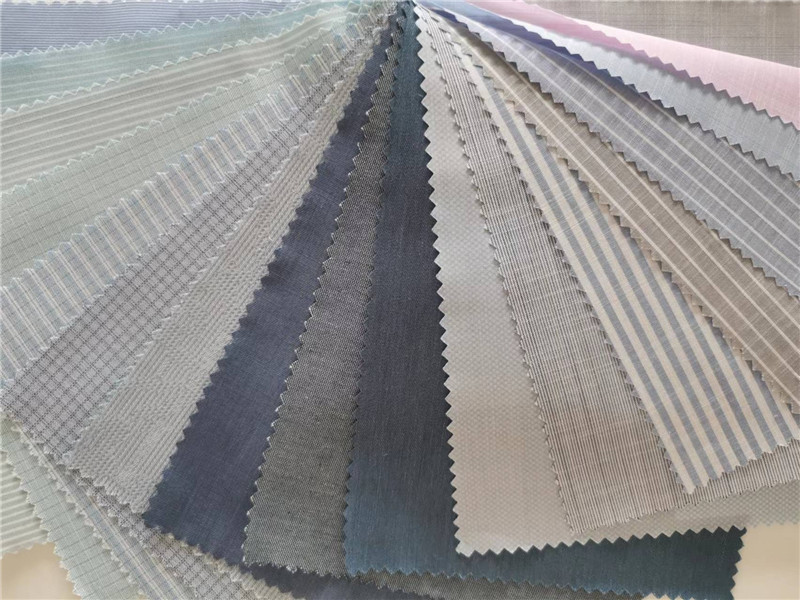
Cotton is a natural fibre which allows air to circulate and move freely through the fabric, ensuring airflow that dries out damp areas of the body. A good quality lightweight cotton also absorbs moisture, allowing you to cool down quickly, and comes in a variety of styles and colours.
However, be warned, because cotton creases easily. So, when it comes to packing for a holiday, a cotton polyester blend may be your best option.
It’s also worth noting that as cotton soaks up moisture, it can become heavy and wet so may show sweat patches. As a result, your best bet is to opt for light, rather than dark, colours in order to avoid pit marks.
ELLE UK's digital fashion editor Daisy Murray says: 'Dresses in cotton poplin create a more polished feel, while a great organic cotton T-shirt can take you anywhere from brunch with a denim skirt to the office with some wide-leg trousers.'
All hail, linen. Linen is a loosely woven, natural fibre which allows heat to escape from the body, it absorbs moisture and dries quickly.
What does this mean? You + linen = cool as a cucumber.
It’s also pretty malleable so doesn’t tend to stick to the body. However, it can wrinkle quite easily so look for linen blends if crinkles aren't your bag.
'The more you wash and wear linen, however, the softer the fabric becomes, creating much more "flattering" and gentle creases when worn, so wear, wear then wear linen again for best results,' says Murray.
'If you're travelling without a steamer or iron, hang your linen clothes up in the bathroom as your shower to provide a gentle steam.'
The asymmetrical wrap skirt and voluminous puffed sleeves make this dress a flattering, chic option for summer.
A super gorgeous red linen dress for holidays and summer nights out. The back detail is also delightful.
A truly versatile dress, perfect for hot weather days in the office, or throwing over swimwear when abroad.
Just because a dress is made of linen, does not mean it can't be regal. This is a dress for a queen.
A gorgeous, bold, A-line linen dress for hot, sunny days.
The most sophisticated cream linen dress we ever did see.
A '50s inspired shape, with seam detailing on the bodice which is seriously flattering.
Beiges and browns and all sorts of other earthy colours are an excellent way of making an affordable item look like a luxe purchase this season.
For beige obsessives out there, this pinstriped linen dress is one for every day. Easily smartened up with an oatmeal coloured blazer.
A perfect floral longline dress for daytime weddings, posh garden parties and so much more.
A fabulously feminine linen maxi dress with a perfect scoop neck.
A super relaxed fit, long linen dress with front pockets.
This is a sexy number for a linen dress, with a low v-neck and a wrap skirt that allows for a peep of leg as you move.
If you haven't gotten your hands on one of Sleeper's coveted Atlanta dresses (which come in a whole range of colours), seriously what have you been doing? This is one of Instagram's fave dresses of the summer and should definitely be in your wardrobe.
A deep olive tiered linen dress that would be perfect in both a casual and formal setting.
& Other Stories - £95
Linen doesn't have to be colour blocked. This cute floral number from & Other Stories proves that point.
An airy linen trapeze dress from Asceno, which will serve you well on one of those hot, hot vaycays, where all you want to do is bask and breeze about with nothing sticking too closely to your body.
Shirt dresses are an excellent way of smartening up an otherwise casual look. This dress can take you from office to bar with the undoing of a few buttons.
This olive-khaki green peplum-hem linen dress is super classy. A perfect addition to your wardrobe.
If you like your linen dresses to be less classic, more directional, this OFF-WHITE option is for you.
A cute white smocked dress in linen, easily paired with all the dad sandals that reign supreme as summer footwear.
A linen mini dress in the brand's signature olive print. Easy day dressing with simple sandals but equally a great evening option with heels.
Galvan’s Isola maxi linen dress has beautiful chevron stitiching on the bodice and seasonally appropriate cut-outs.
A delicate palm-print linen midi dress with front slit and open back, ideal for the height of the summer.
This white linen dress is pretty exquisite for the price range. The bold, voluminous shape, thick low peplum and puffy sleeves make for proportions that you might expect on a designer item.
A summery yellow shift-come-wrap dress for everyday wear.
A gorgeous lavender wrap dress with roomy long sleeves and a tulip skirt.
Not so much daywear as designed to be shown off at a hot party in the height of the summer season.
A heavyweight linen dress, with a structured straight fit and soft worn-in feel.
A loose fitting number for when you're in the Mediterranean, faced with a charcuterie board and need give for your expanding, satisfied stomach.
A bold print for a linen dress, but one that makes it richly unique.
A terrific high-necked brown midi linen dress.
An easy throw-on dress with a shirred waist.
A super casual, relaxed-fit dress, perfect as homewear or for pootling around running errands in the heat.
Silk is a lightweight fabric that’s a popular choice for hot climes thanks to its construction by sericulture (the term used to describe the process of gathering the silkworms and harvesting the cocoon to collect the materials).
Some may prefer to wear a silk shirt than a polyester version given its weightlessness nature band tendency to adjust to your body temperature.
That said, it’s worth noting that silk isn't as absorbent as its cotton or linen contemporaries and choosing to wear a silk slip or skirt may result in sweat stains on a very humid day.
'I would avoid wearing silk items that touch your armpits, generally, and opt for silk slips, skirts and loose shirts that can be worn multiple times and only need spot cleans,' advises Murray. 'Not only are sweat patches hyper-visible on silk, but the fabric generally needs to be dry-cleaned, which is an expensive and ecologically-damaging process. However, if you must wear something fitting, consider wearing armpit patches to reduce contact.'
Silk – a fabric for indoor lounging rather than dancing at parties.
Chambray is a plain weave fabric, made with a coloured yarn in the warp and a white yarn in the weft, similar to denim.
It's lightweight and darker shades commonly absorb the majority of sweat meaning you can say 'goodbye' to bum sweat. Chambray also commonly comes in a higher thread count, meaning it’s a finer weave and therefore more breathable.
'Look to wear chambray in items you might typically opt for in denim - for example trousers and jackets,' notes Murray. 'This way, you can put together those staple looks you gravitate towards year round, but with a hot-weather appropriate twist.'
Swap denim wardrobe options for chambray alternatives and see your summer sweat days officially over.
A knit fabric originally made of wool, Jersey has come a long way over the years thanks to evolving production methods.
Nowadays, it’s common to find jersey that’s been manufactured from a combination of wool, cotton and synthetic fibres. Its flexibility and comfort makes it a popular option for hot weather.
'The key to good, "green", and non-sweaty jersey is to buy 100% cotton, and not a cotton-poly blend,' says Murray. 'Not only does a cotton blend make the items considerably less sustainable, but the unnatural fibres with repel sweat and heat you up instead of absorbing it and keeping you cool. Use its natural stretch to you advantage by opting for a bodycon dress or figure-skimming skirt.'
While the fabric is highly stain-resistant and durable, polyester is also a sweaty person's nightmare in summer.
When it was created in 1950 in the US, it was advertised by the clothes manufacturer Du Pont with the tagline: ‘Miracles can happen.’ The fabric was championed for being wrinkle resistant, damage resistant, cool and comfortable.
In the 1970s, it was again marketed as ‘a miracle fibre that can be worn for 68 days straight without ironing, and still look presentable’.
Sounds too good to be true, right? Exactly.
Woven or knitted from polyester thread or yarn, polyester base fabrics are water resistant which means they're horrendous at absorbing any hint of moisture. Basically, wearing polyester means you’ll be trapped in a vacuum of your own sweat all day.
This might explain why those bargain garments in your wardrobe stay exactly there - in your wardrobe - during summer.
It might be a low cost fabric but believe us, it’s worth paying the extra money in the summer to avoid uncomfortable sweat patches. Swap polyester for cotton, for all our sakes.
Rayon is a sneaky devil.
It's a man-made fabric blended from cotton, wood pulp, and other natural or synthetic fibres.
While the thin fibres of rayon make it light and prevents sticking to the body, let’s not forget it’s made of synthetic fibres, just like polyester, meaning it’s more likely to repel than absorb water.
If you remember one thing from this article, it’s that you want your summer fabrics to absorb not repel water. Yes, this may sound contradictory to someone who suffers from sweat patches on their clothes but textures that repel moisture actually mean areas of dampness are more likely to show on what you wear.
Yes, those original Levi shorts may look cute on the beach, but you’ve got to be one hell of a brave soul to wear denim in summer.
Denim is a durable, heavyweight fabric which means it isn’t breathable nor stretchy - two words which basically mean ‘anti-sweat’.
Murray says: 'My favourite summer denim piece is a non-stretch Marques Almeida T-shirt dress, which works in summer because it doesn't cling to my body so allows air to circulate. Otherwise, I would avoid denim bottoms for fear of chafing and a very hot crotch, but would consider a denim jacket for cool evenings.'
Bum sweat, chaffing, increased sweat - let's just say denim is not your friend, my fellow sweaters.
Say it with me now: ‘Chambray.'
Wrapping yourself up in fleece – think cosy pyjamas at Christmas – sounds like an obvious ‘no no’ come summer, but let this be a reminder to you.
Certain lightweight wool fabrics, specifically labelled as ‘summer wool’ might be okay in the hot weather, but fleece is derived from polyester so brings with it all of the summer cons which include trapping moisture and preventing ventilation.
Let your pits breathe by avoiding fleece at all costs until winter.
In addition to avoiding leather for environmental, animal and ethic reasons, the words ‘summer’ and ‘leather’ don’t usually go together for a reason.
Made of animal hide, leather is a thick fabric which is great for insulation during chilly seasons.
While leather might continue to be a trend championed by influencers all-year round, it’s important to remember that if you do choose to wear leather, it should preferably be vintage, loose-fitting and lightweight. Think paper-bag-waist shorts, flowing dresses and culottes.
'I could be swayed to wear a suede, fringe skirt with a silk shirt if the occasion presented itself,' admits Murray, adding that if leather is a 'must' then consider investing in leather accessories, like belts, bags and sandals to edge up a look.
A synthetic material, nylon isn’t anything but a cool fabric to weather in the summer as it’s specifically designed to repel water.
While it might be commonly used in athleisurewear given its wicking abilities, resistance to abrasion and fast drying make-up, it retains odour, can cause chaffing and has very low breathability.
Similar to nylon, acrylic is a synthetic material and is often hot and abrasive.
Cotton Flax Yarn According to clothes manufacturer Sewport, acrylic has high moisture-wicking abilities, retains water and is very stretchable. However, its composition of synthetic polyacrylonitrile polymer makes it one of the worst breathable fabrics in the world.